
Our AI product experts are responsible for product training, delivery training, requirement gathering, solution design, and application scenario & business model design and support. They help clients understand the AI-driven capabilities of the platform and provide customized application solutions to enhance the product's value.

Our AI product experts are responsible for product training, delivery training, requirement gathering, solution design, and application scenario & business model design and support. They help clients understand the AI-driven capabilities of the platform and provide customized application solutions to enhance the product's value.
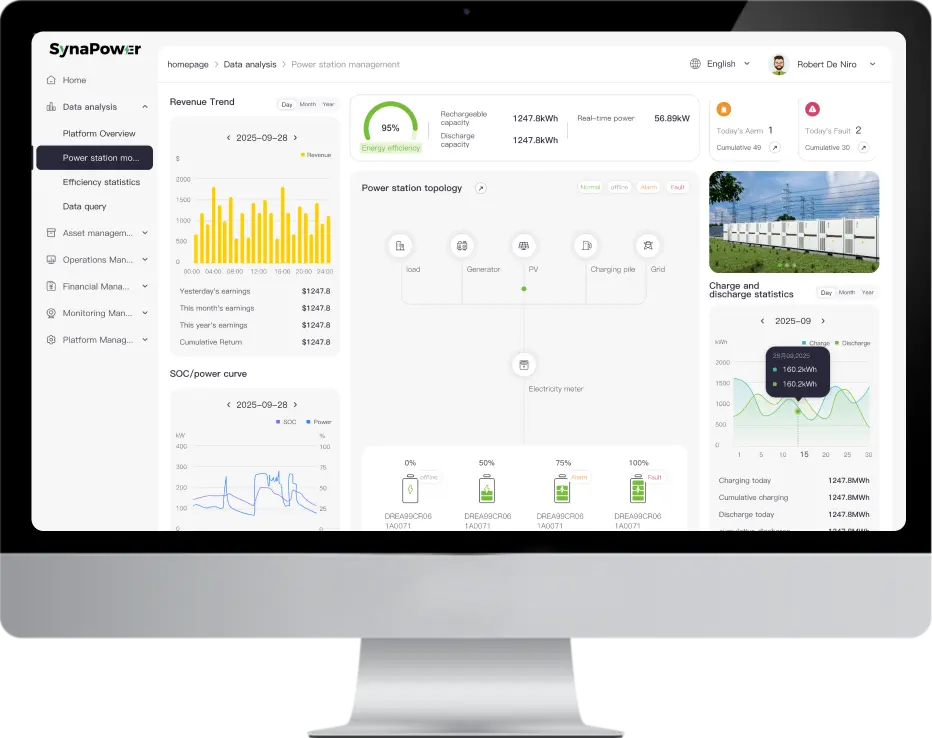
We build automated operation and maintenance management capabilities based on AI algorithms. Through equipment scheduling optimization, fault prediction and health status monitoring, we realize automatic repair and intelligent adjustment of equipment status. It provides core functions such as fault early warning, health analysis and optimization suggestions, greatly reducing manual intervention and making operation and maintenance management more efficient and intelligent.
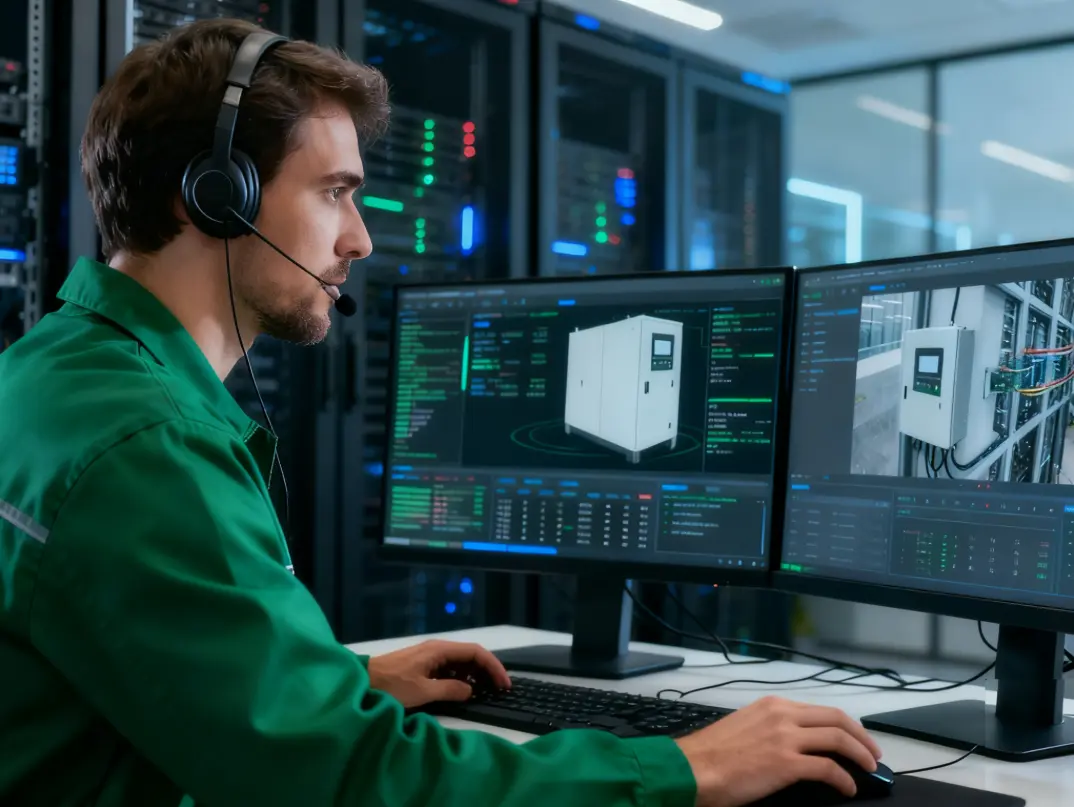
We have built a real-time online support and monitoring system that supports remote connection to complete equipment debugging, parameter configuration modification, fault handling and other operations. We respond quickly to customer needs, timely resolve equipment faults, optimize system operating status, and lay a solid foundation for the long-term stable operation of equipment.

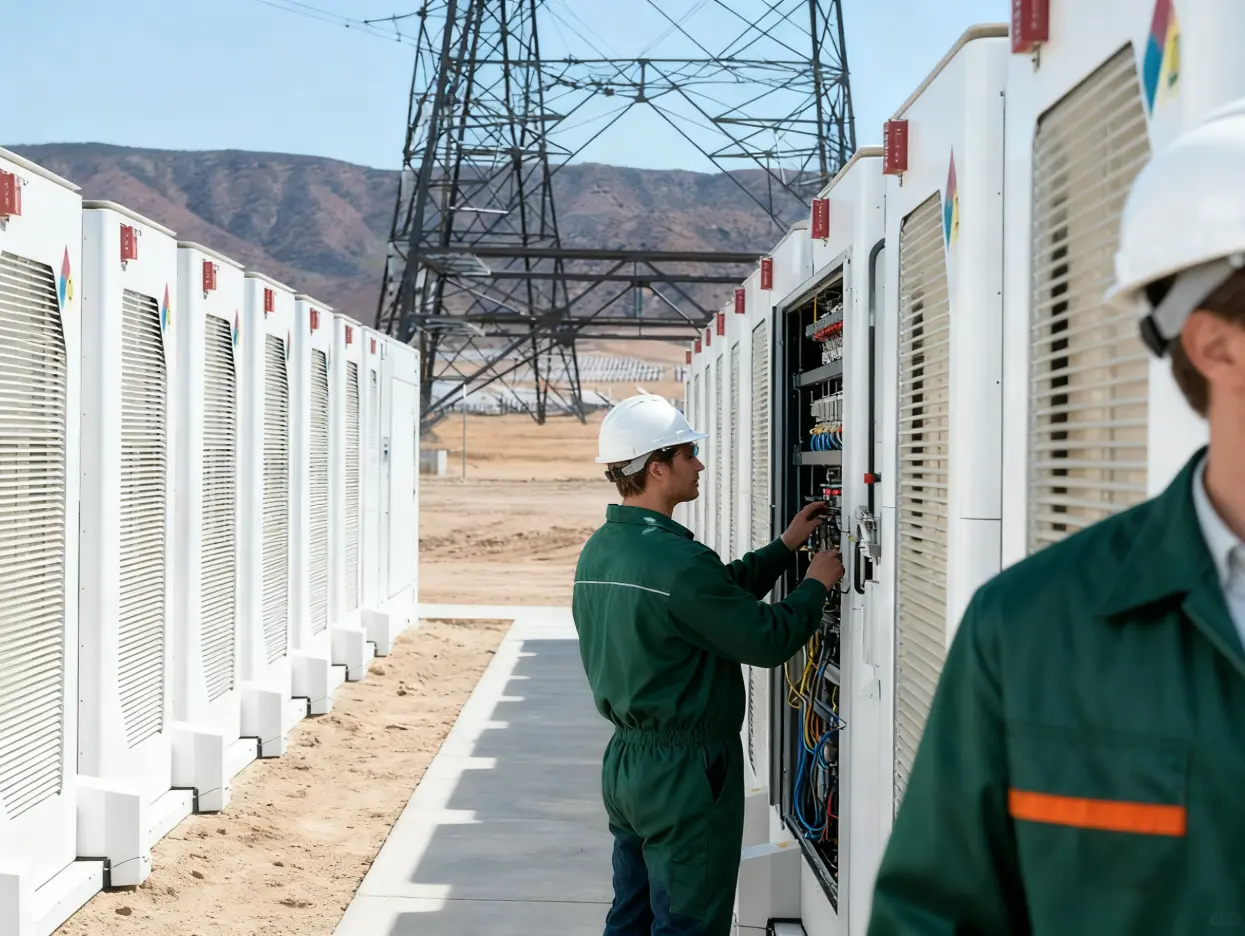
We provide targeted on-site support for complex scenarios such as large-scale energy storage projects and special equipment failures. Services include on-site surveys, equipment inspection, fault diagnosis and repair, and customized on-site training. Our technical team will rush to the site quickly to solve problems in person, ensuring the continuous and stable operation of critical energy storage systems.
We offer technical training videos, documentation, FAQs, and other resources to help clients enhance their understanding and usage of the platform.
Alkaline batteries (AA/AAA): usually 1–3 years in storage, and hours to months in use (depending on the device).
Lithium batteries (AA/AAA): 5–10 years in storage, and longer run time than alkaline in the same device.
Rechargeable batteries (Ni‑MH, Li‑ion): 2–5 years of useful life (can be recharged many times), and last longer per charge with proper care.
Yes, it can be installed outdoors if it is designed for outdoor use and protected from rain, direct sunlight, and extreme temperatures.
Yes, it is compatible with most standard solar panel systems.
The space required for installation depends on the size and model of the battery system, but generally you will need:
Enough room to place the battery unit with at least 10–20 cm of clearance on the sides and back for ventilation and maintenance.
A level, stable surface (wall or floor) that can support the weight of the battery.
Additional space for cables, wiring, and any required inverters or mounting brackets.
For a typical home battery system, plan for an area approximately 0.5–1 square meter, but always refer to the product manual for exact dimensions and clearance requirements.
No, it does not work with all electric vehicles.
The built-in car charger is designed to be compatible with most mainstream electric vehicles that use the standard charging interface (such as Type 1 / Type 2 / CCS, depending on the product specification). However, some older models or vehicles with proprietary charging connectors may require an additional adapter or may not be supported. It is recommended to check the vehicle’s charging port type and the charger’s specifications before use.